LBC Industrial Floor LBC Industrial Floor · materials for industrial floors

PRASPAN® HARD

The Praspan® Hard system is used under heavy mechanical and impact loads on floors and in areas with vehicle traffic.

Engineering support from estimation to commissioning

Warehouse in Tashkent, Muynakskaya St., 135. Shipping across Uzbekistan and Tajikistan.

PRASPAN® HARD
PRASPAN® HARD

Loads

Medium-to-heavy and heavy loads, intensive wheeled traffic

Facilities

Warehouses, production, parking facilities, clean areas

Coating

Seamless, dust-free, easy to clean, chemical-resistant

Description

What makes the system different and what tasks it is typically chosen for.

The Praspan® Hard system is used under heavy mechanical and impact loads on the floor, as well as in areas where vehicle traffic is possible. It requires minimal substrate preparation when refurbishing previously used concrete or terrazzo substrates with major damage affecting up to 40% of the area. The coating is highly effective for all types of industrial, warehouse and administrative facilities.

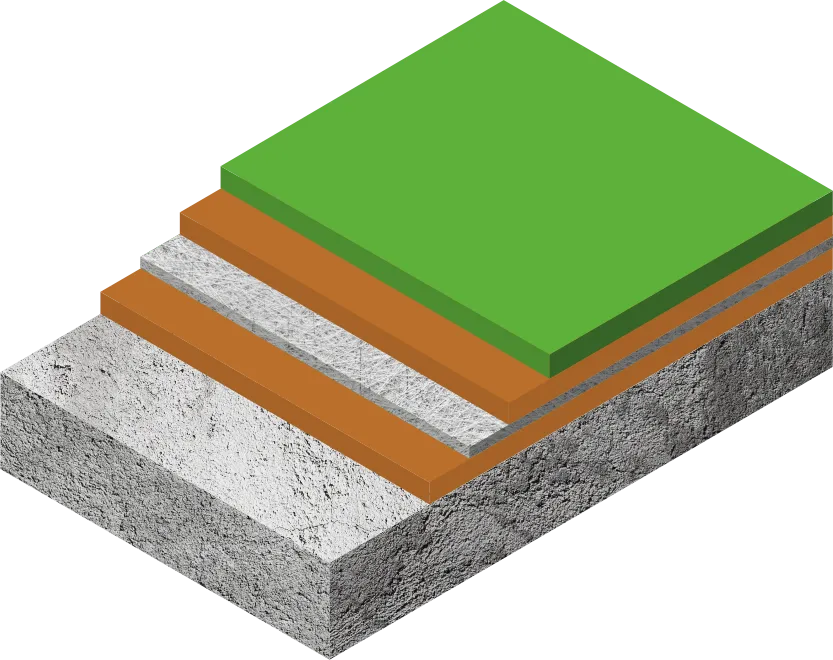
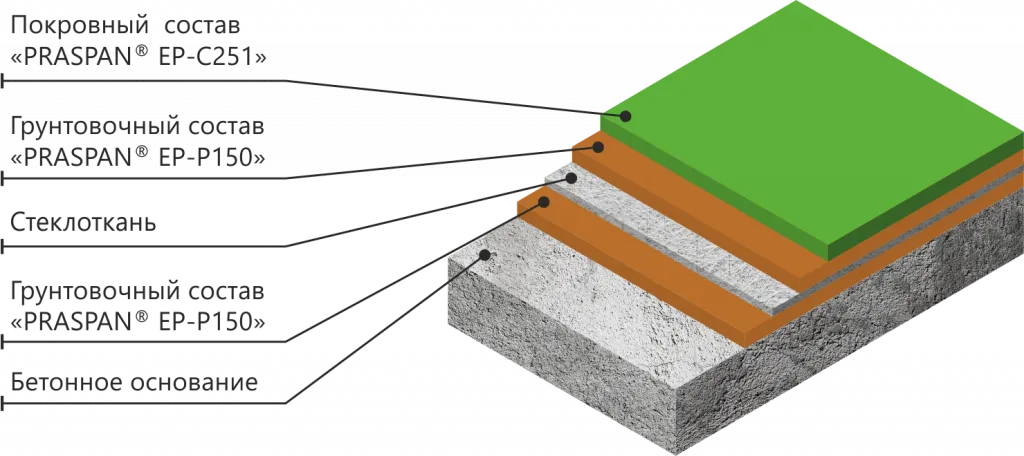
The Praspan® Hard turnkey solution is a system consisting of a Praspan® EP-P150 primer layer reinforced with fiberglass, an additional Praspan® EP-P150 primer layer and the Praspan® EP-C251 topcoat.

Key properties:

  • high strength;
  • resistance to abrasive, impact and chemical exposure;
  • excellent waterproofing properties;
  • seamless surface;
  • easy to maintain cleanliness;
  • ease of repair;
  • aesthetic appearance;
  • cost efficiency.

Technical specifications

Material parameters and substrate requirements (TDS/passport).

Elongation at break (%) 6.5
Resistance to water resistant
Resistance to mineral oil resistant
Resistance to 10% H₂SO₄ resistant
Resistance to 10% NaOH resistant
Spark generation non-sparking
Coating appearance semi-matte
Adhesion to B15 class concrete in pull-off test (MPa) 2.2
Impact resistance of the floor coating (kg dropped from 1 m) 15

Consumption

Estimated calculation based on area and thickness.

Final figures are confirmed by an engineer based on the actual condition of the substrate.