
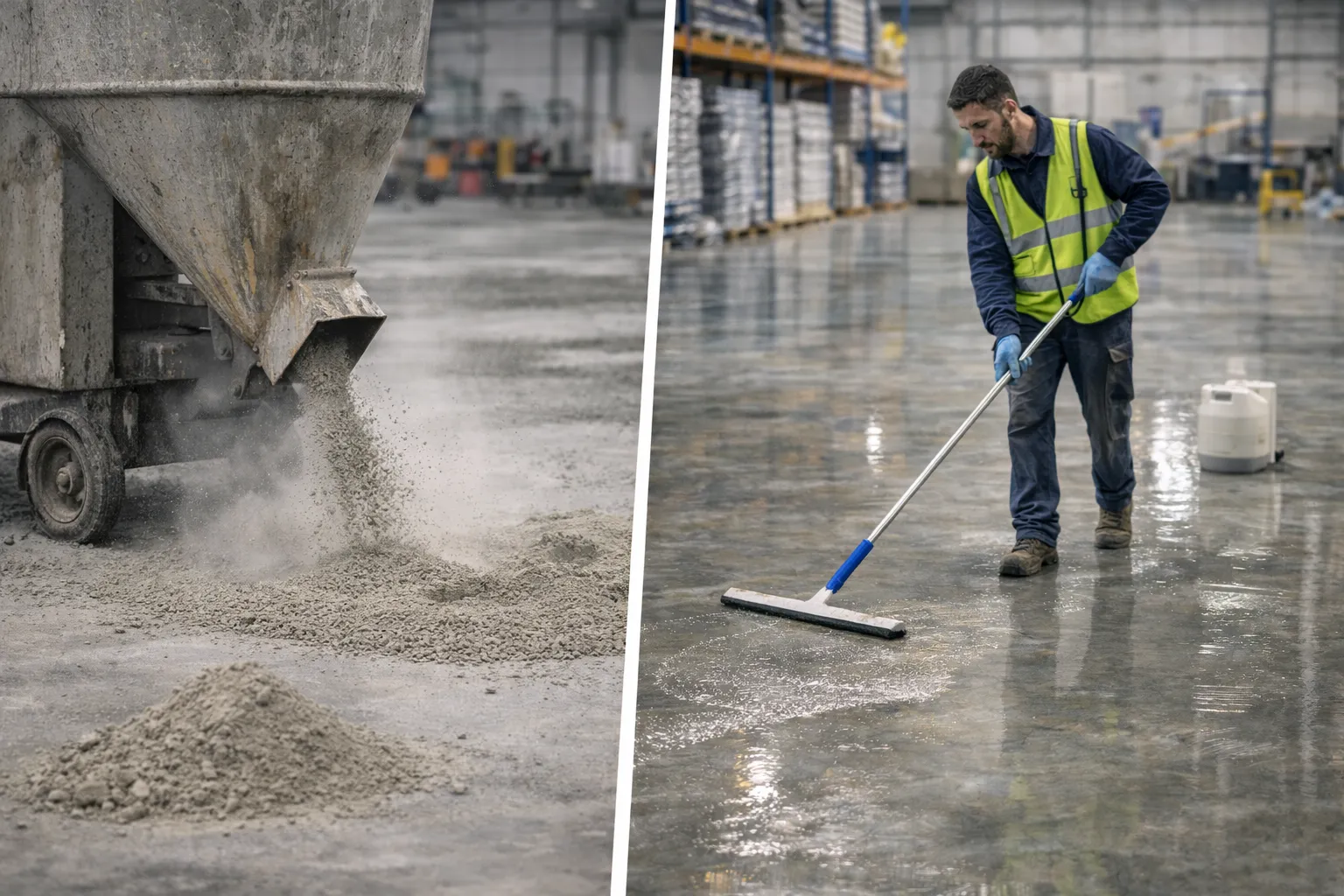
Applied during trowelling: improves the wear resistance of the top layer, but it can’t be used “after the pour”.
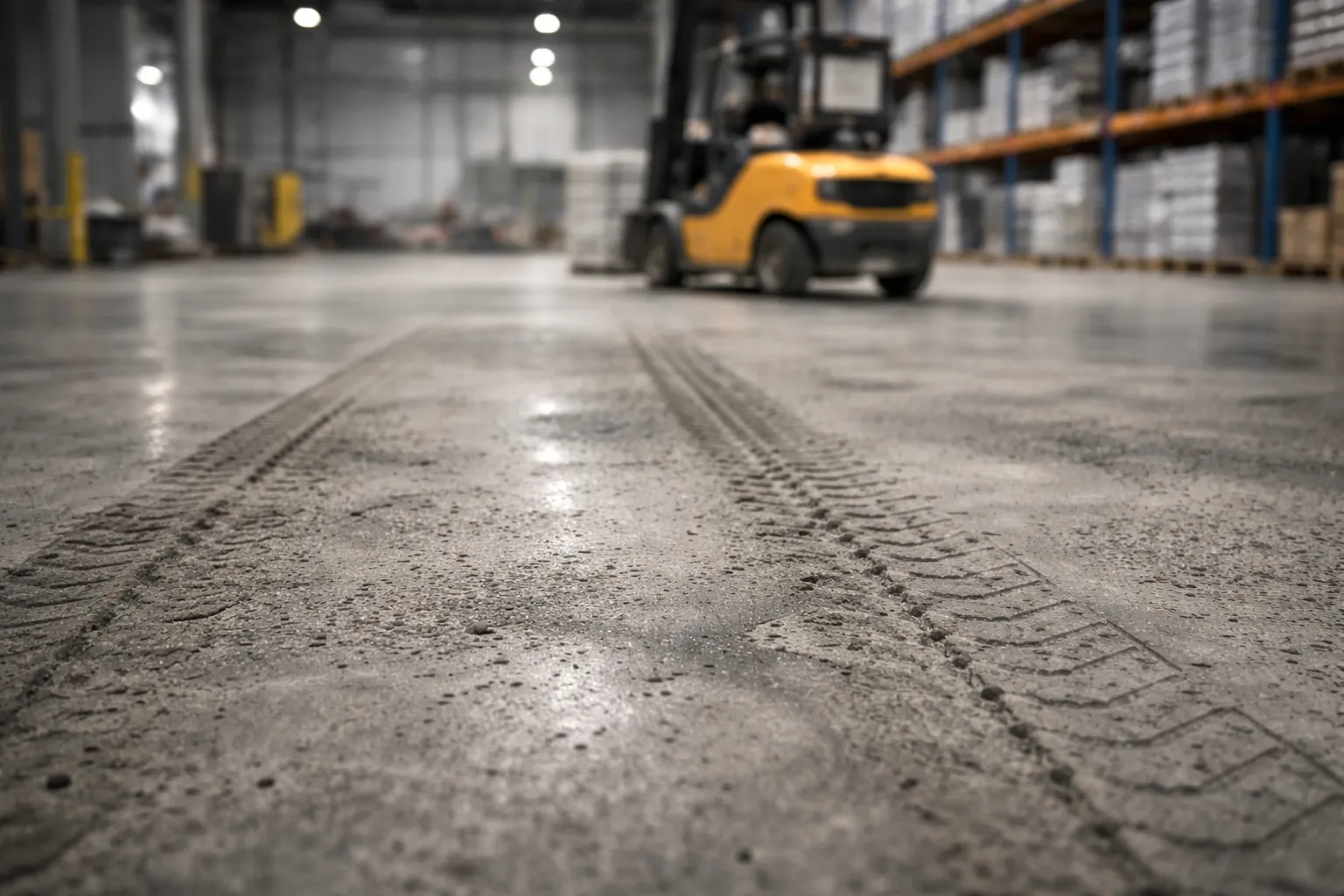
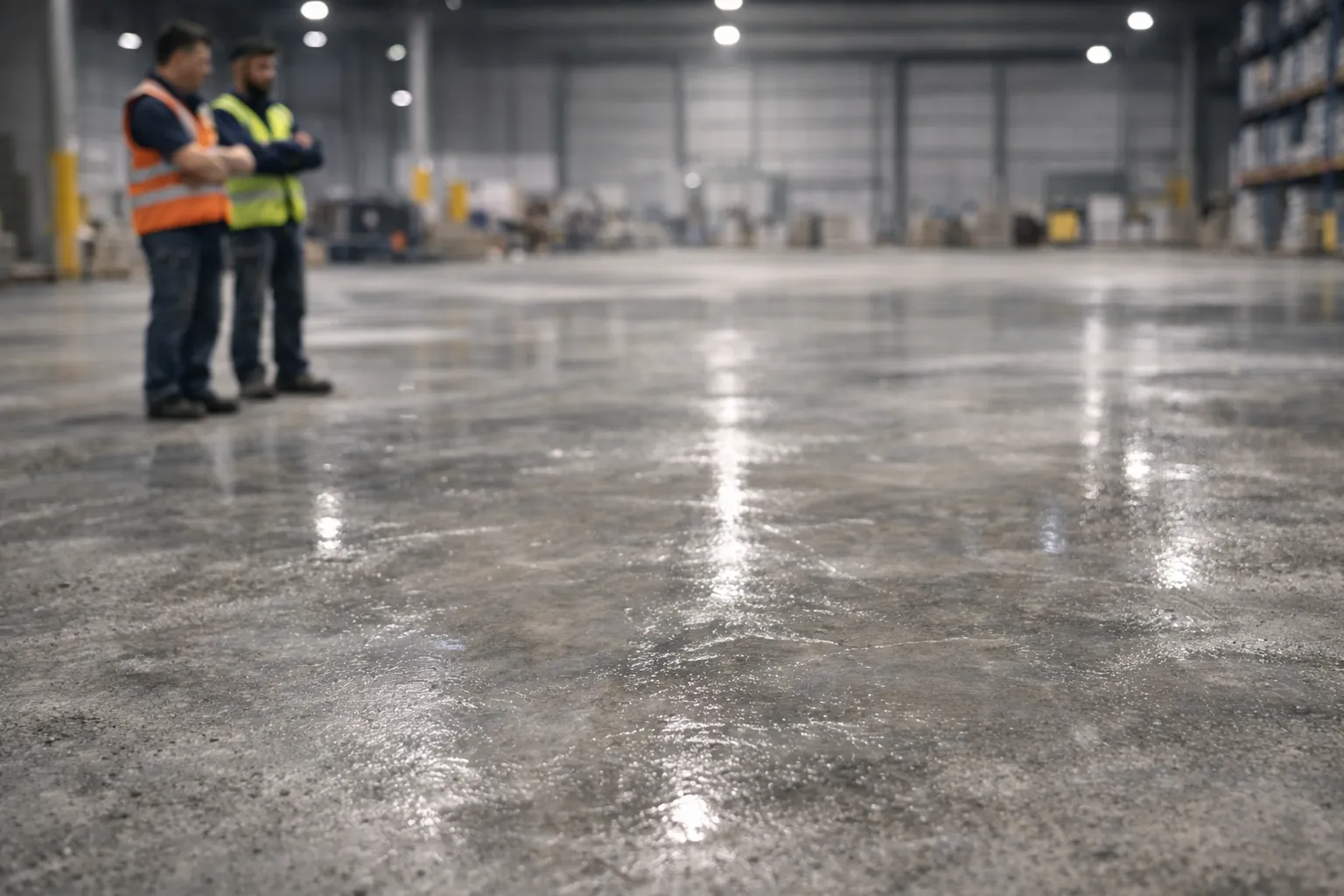
Topping and impregnation solve different tasks and are applied at different stages. Topping is only for fresh concrete during trowelling (hardening the top layer). Impregnation is applied to concrete that has gained strength (dustproofing, partial densification, easier cleaning). Below is a quick pick, a comparison table, and limitations.
Reduces dusting, partially densifies the surface, and makes cleaning easier. Convenient for operating facilities and for zone-by-zone repairs.
Improves the wear resistance of the top layer under wheeled loads, but requires strict trowelling execution and a proper curing regimen.
Catalog systems this article is based on

Comparison: topping vs impregnation
| Criterion | Topping on fresh concrete | Impregnation (dustproofing) |
|---|---|---|
| When it’s applied | Only during pouring/trowelling of a new slab | On concrete that has reached strength (new or existing) |
| Primary purpose | Wear resistance and hardening of the top layer | Reduced dusting, partial densification, easier cleaning |
| Wheeled loads (forklifts) | Works well with proper concrete and correct execution | Depends on slab condition: it won’t “cure” weak concrete |
| Schedule and coordination | Requires disciplined execution and curing | Often faster for operating facilities (by zones) |
| Cleaning and hygiene | OK, but it remains a concrete surface with joints | Significantly helps with cleanliness and dust (within the limits of the concrete) |
| Repairability | Local repairs are possible; details/joints matter | Easy to refresh locally and repeat the treatment |
Limitations: when the solution won’t work
- the top layer is friable and crumbling — repair/grinding first;
- there are potholes/chips — you need a repair plan;
- there are moisture issues — the substrate needs diagnostics;
- you need high chemical resistance/hygiene — a polymer system is often required.
- the slab is already poured — topping can’t be done retroactively;
- there is no control over trowelling and curing;
- aggressive chemicals/strict sanitation are expected — consider polymer systems;
- you need a seamless surface — concrete solutions don’t always cover that requirement.
A combination is also possible: topping on a new slab for wear resistance + an impregnation/sealer later to reduce dusting and make cleaning easier (tailored to your operating conditions).
Example materials from the catalog
Below are a few items from the database that often appear in typical systems (see the TDS).
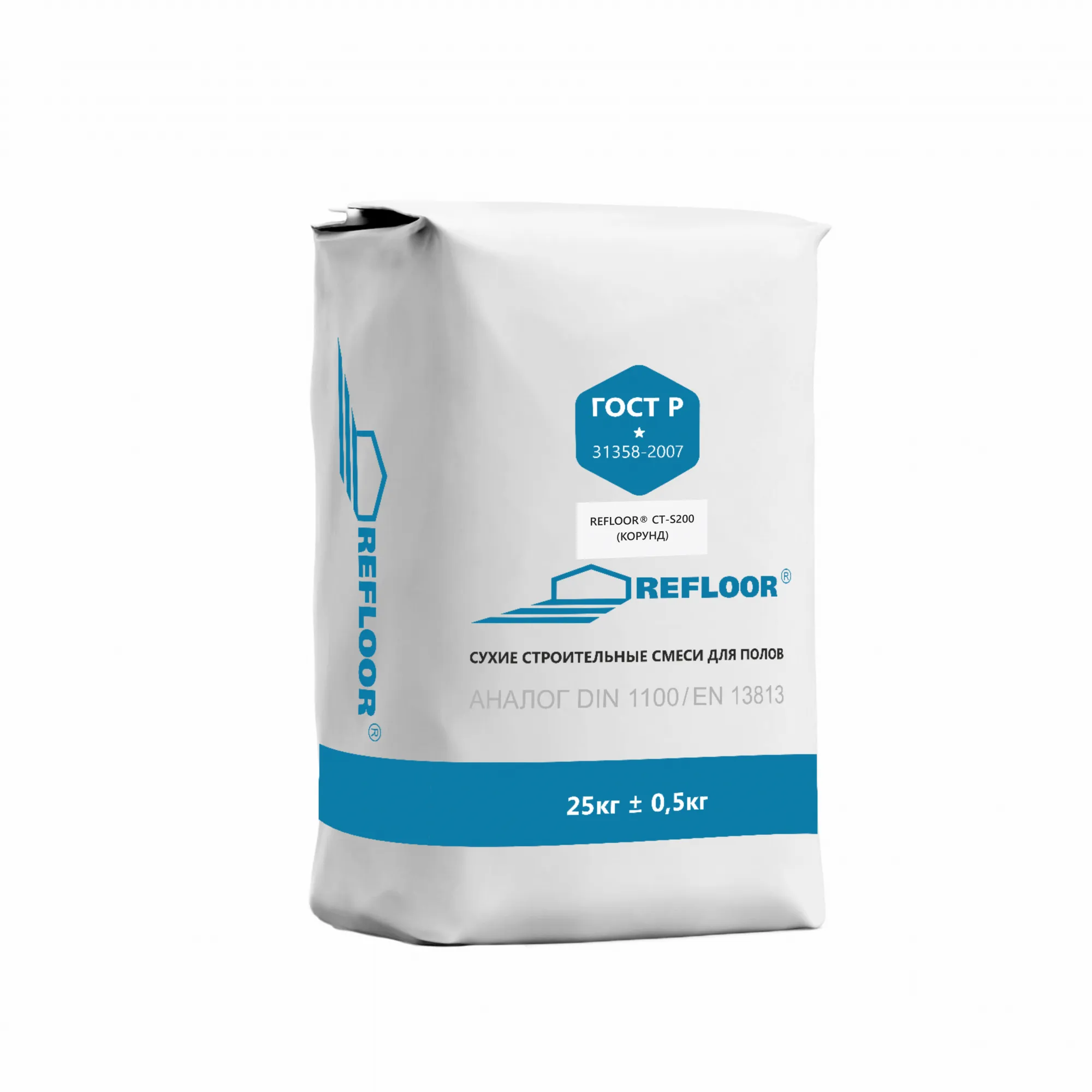
For high loads and intense wear.
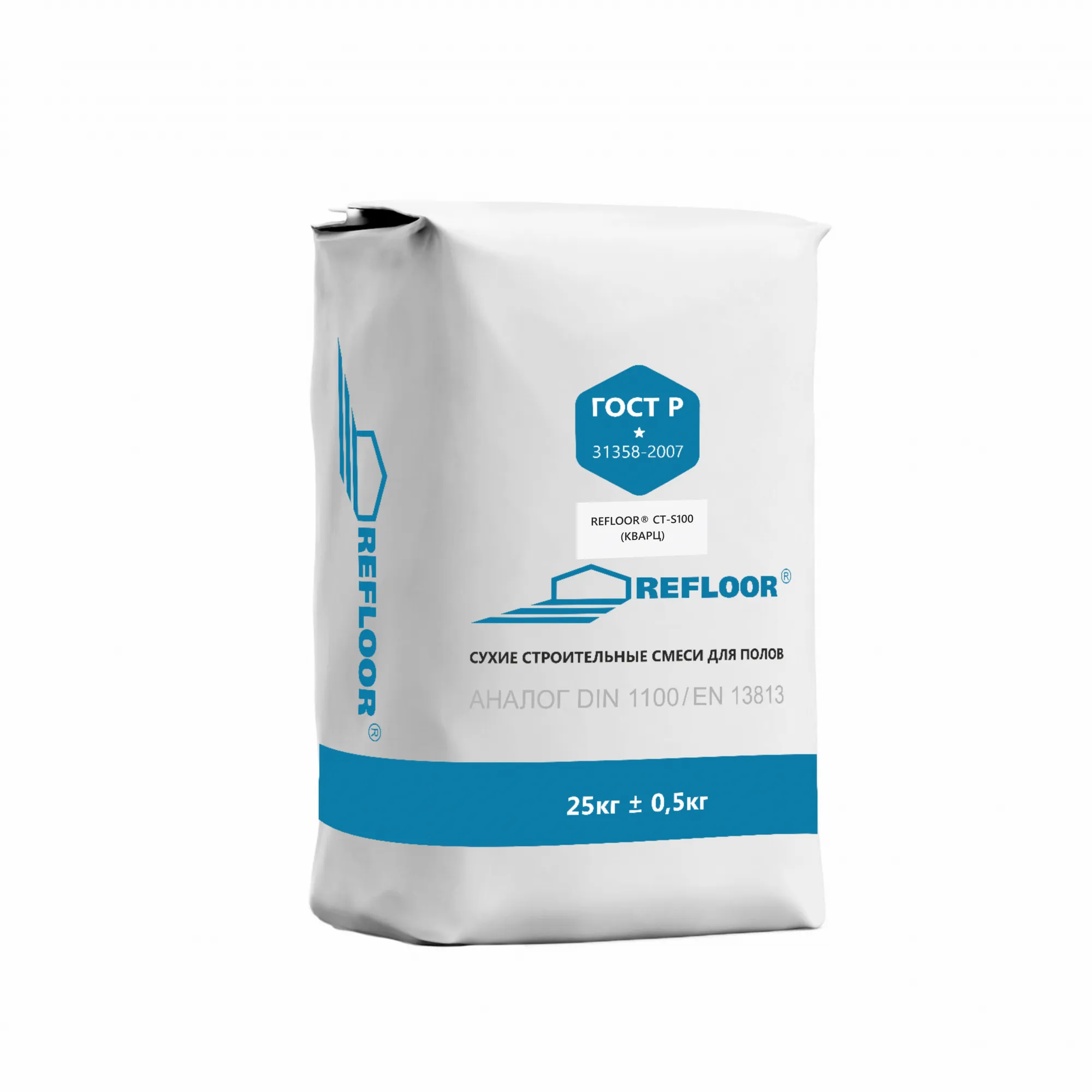
A common choice for warehouses and production areas with medium loads.
For densification and dust reduction on finished concrete.
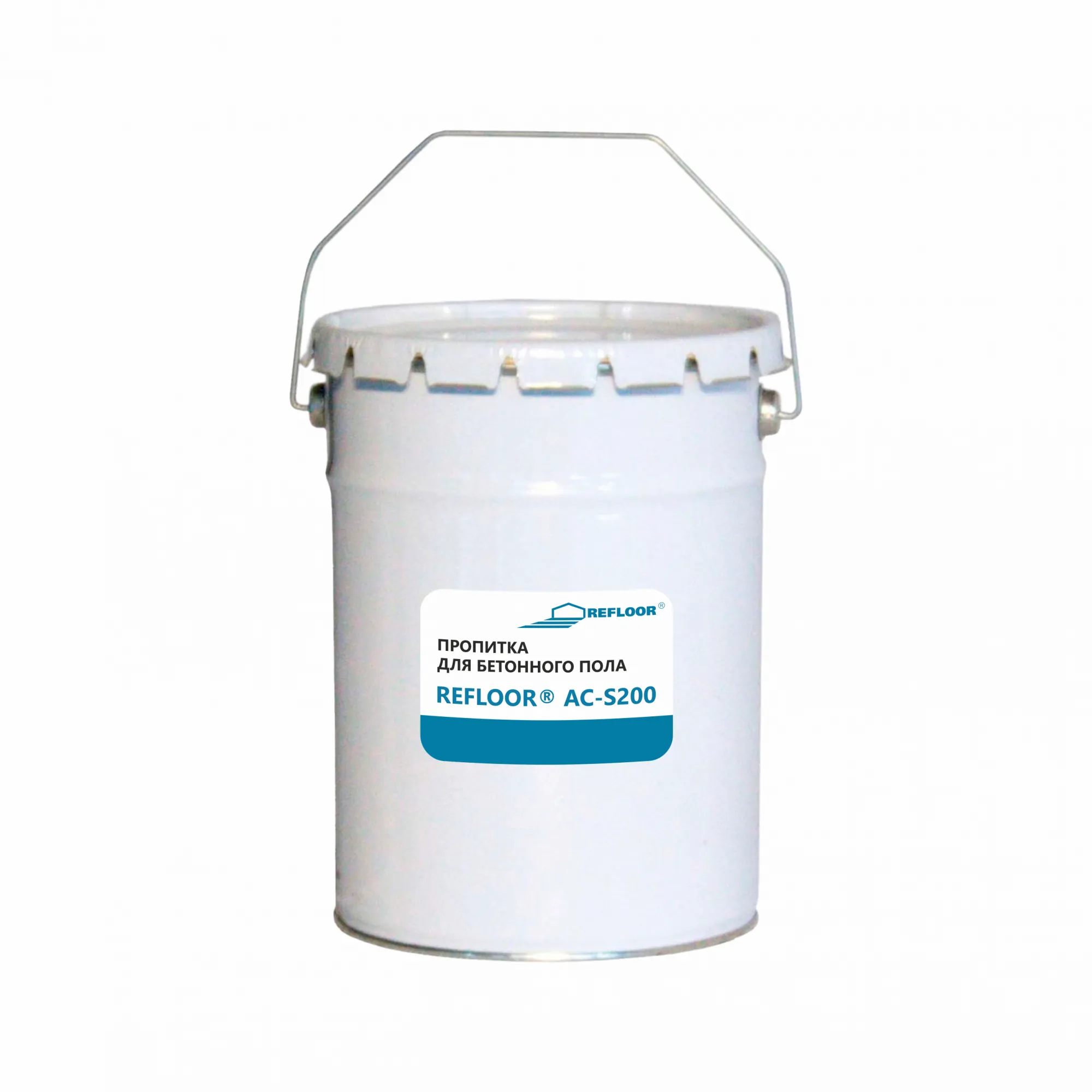
Helps “close pores” and make cleaning easier.
What to send to choose a solution quickly
- stage: is the slab already poured or is it still just a project?
- facility type and operating mode: warehouse/plant/parking, operating schedule;
- loads: equipment (forklifts), traffic intensity;
- cleaning and chemicals: water/surfactants/oils/de‑icers;
- photos/videos of the substrate and problem areas.
Send the parameters — and we’ll advise where an impregnation is enough and where topping (or another system) makes more sense for your operating conditions.